

Submitting a play and waiting for that elusive congratulations email from a theatre telling you that they want to perform your work is a long process. As playwrights, we’re used to getting more rejections than acceptances. A number of years ago, I got tired of waiting, so I decided to produce my own staged reading.
I had started a monthly playwriting group at my local Barnes & Noble bookstore, and now we had several short plays that we wanted to hear.
Our first staged reading called Hit & Run took place at a coffee shop inside Auntie’s Bookstore in downtown Spokane, Washington. The show lasted an hour and about 20 people attended. The whir of the espresso machine in the background tried to drown out the actors’ voices.
“Don’t bore the audience. Only
choose the best material.”
I chose to produce a reading because it didn’t require six weeks of rehearsal, memorization, costumes, or props. Actors could participate and still be involved in full productions elsewhere. I produced this event with no grants or outside funding. The only cost was my time and some photocopies.
Here were my plan and some tips I learned along the way.
The Initial Staged Reading Plan
- Material selection. I chose five or six 10-minute plays, inviting members of our playwriting group to submit something, as well as playwrights I knew.
- Script form. I formatted the scripts into a small booklet that could easily be held with one hand. Today, small tablets work well.
- Auditions. No auditions were held. I invited actors with whom I had worked before. I also choose an actor to read stage directions.
- Rehearsals. Since this was a reading, we only rehearsed twice per play.
- Rehearsal space. We used living rooms and libraries, all free.
- Location. The coffeeshop at the local independent bookstore because it was free.
- Stage setup. It was a simple setup with three music stands and five chairs. The actors would stand when it was their turn to speak and sit when they weren’t in the scene. No mics or sound system was used.
- Time. We kept the event to about an hour and held it on a Saturday afternoon, so we didn’t compete with any other shows.
- Admission. Free.
- Publicity. Bookstore newsletter, personal emails, press releases to local newspapers, Facebook posts.
In subsequent years, we invited scripts from playwrights around the world and moved to a theatre space where we could do an actual script-in-hand blocked reading. There were more directors, more actors, and more living rooms. The result was a decade of collaboration, fun, and exposure for playwrights. We eventually found a permanent home at Stage Left and expanded to several new works festivals that played to sold-out houses. Read more about the history of Hit & Run.
Over the years, I learned the following tips for you as a producer.
10 Lessons Learned About Self Producing
- Honor the playwright. Be true to their words and intention. If they graciously agree to let you perform their piece in exchange for a program and video or nominal royalty, then provide it in a timely manner. Include their name in all publicity! Sample licensing agreement.
- Don’t charge a submission fee. It is not the playwright’s job to finance your production.
- Keep track of submissions using a spreadsheet or other tool, so you can let writers know whether their script was chosen. You can also use that contact list to invite them the next year.
- Respect the space. You will be rehearsing in someone else’s house or facility. Follow any policies. Clean up after yourself.
- Don’t bore the audience. Choose the best material.
- Enlist help. Invite script readers and directors to work with you. They will become your best advisers. (It’s best not to direct or act in your own play.)
- Larger casts attract larger audiences. This guide is for community performances, but if you want to use Equity actors, see their policy about staged readings.
- Plan far in advance. Many spaces fill up fast, and the media likes a lot of lead time, so plan ahead.
- Shorter shows are better. The audience can get reading fatigue. It is harder to listen to a show than to watch one. It is also easier to build an audience with a shorter performance.
- Communicate clearly and often. Making sure everyone is in the loop will keep them coming back year after year, whether it’s a submitting playwright or an actor.
Where to Find Space
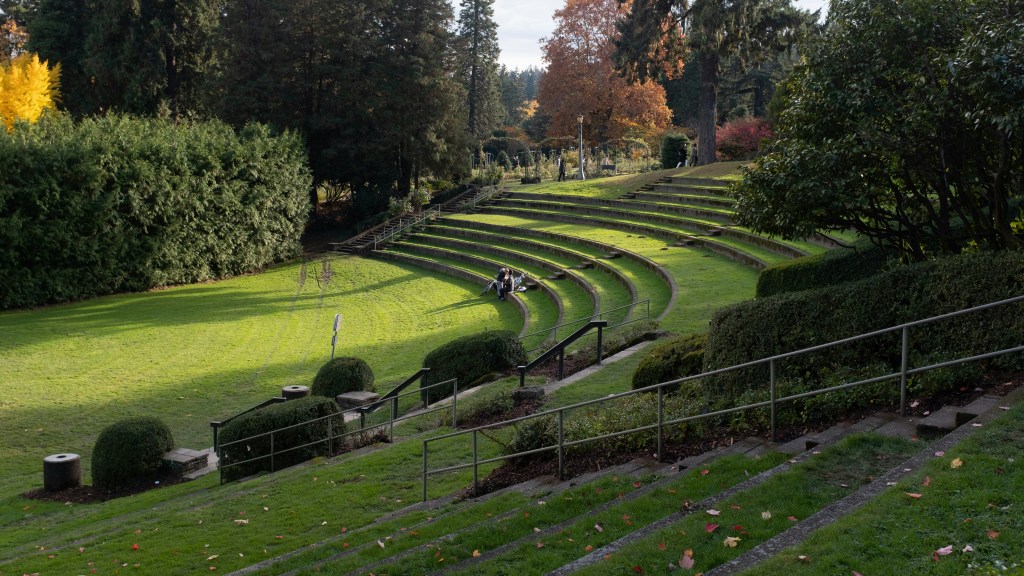
Since audiences for staged readings tend to be small, you can likely find a space that will fit your budget. Here are some places to consider:
- Art galleries
- Bars with event rooms
- Bookstores
- Churches
- Coffee shops
- Community centers
- Grange halls
- Libraries
- Movie theatres
- Museums
- Music venues
- Outdoor amphitheaters
- Schools
- Senior centers
- Theatre companies
For rehearsal space, you can check out fire stations, municipal bus stations, parks, and dance studios.
Many spaces likely will ask you to sign a rental agreement and/or space use agreement. Review carefully. You could be expected to carry liability insurance. There are a number of vendors who provide insurance for one-time or limited events, such as The Event Helper.
Suggested Production Timeline

- 8-12 months – Select a date and lock in a venue, send a save-the-date message to collaborators
- 7 months – Put out a call for scripts
- 5-6 months – Read and select scripts
- 4 months – Announce chosen scripts and assign directors, book rehearsal space (if not done already)
- 3 months – Send out first round of publicity to media, contacts, social media. Create Facebook event.
- 2 months – Audition or select actors.
- 1 month – Rehearse twice, send 2nd round of publicity.
- 1 week – Do a run through with everyone.
- 0 Day – Hold the performance.
- -1 week – Send thank yous and promised materials to writers. Begin planning next year!
Self-producing can appear daunting at first. Planning and using your connections can help make it a successful event that will help you achieve your ultimate goal—getting your work in front of an audience.
 Sandra Hosking | Author, Playwright, Poet, Photographer
Leave a comment